Mediterranean Lifestyle
Nautical watch: what to ask of a watch for sailing the Mediterranean
, 6 min read
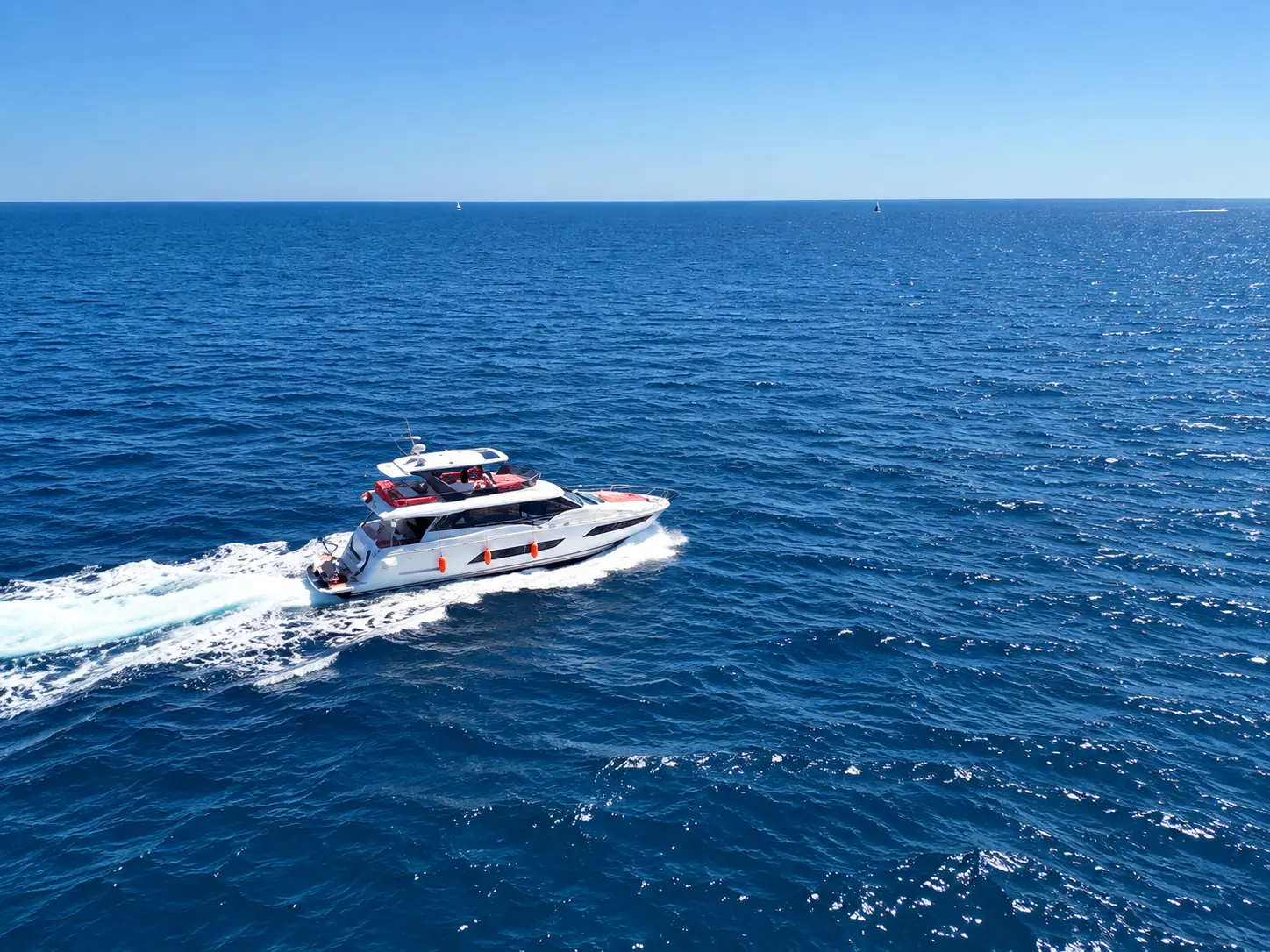
A nautical watch is not defined by a dial full of scales or by a rotating bezel. It is defined by how it responds to what a day on the Mediterranean demands: salt, sun, humidity, spray and, as evening falls, dinner in the harbour. Before taking a watch on board, it is worth knowing what to ask of it, and what not to.
What a nautical watch is, and what it is not
The term is used for very different things. There are regatta watches with countdowns, diving watches designed to descend tens of metres, and watches that, without being technical tools, are built to live alongside the sea without losing their elegance.
For those who sail for pleasure, between coves, short crossings and harbours, the last category is the one that matters. It is not a navigation instrument: that is what GPS and charts are for. It is a watch that does not suffer on board and does not look out of place once you step ashore.
1. Water resistance: reading the figures correctly
The first question is always water, and the figure on the case is often misunderstood.
The marking “10 ATM” means the case has been designed and tested to withstand a pressure of 10 bar. It does not mean the watch can go down to 100 metres: tests are carried out under controlled conditions, while at sea movement, temperature changes and the impact of water all come into play. The international standard for water-resistant watches is ISO 22810; for diving there is a different one, ISO 6425, with its own requirements.
In practice, a 10 ATM watch is ready for life on deck, for spray and for swimming. It is not a diving watch, nor does it need to be one to accompany you on a day of sailing.
2. Materials that withstand salt
Salt is patient. It settles in the seals, in the links and in any corner where water remains. That is why materials matter as much as the water-resistance figure.
316L stainless steel is the reference in watchmaking for a specific reason: it contains molybdenum, which gives it additional resistance in chloride-rich environments, such as sea air and sea water. The “L” stands for low carbon. According to Cedinox, the Spanish stainless steel association, in coastal areas the surface finish also matters, as does something as simple as rinsing it with water.
The crystal is the other key element. Synthetic sapphire reaches 9 on the Mohs scale, second only to diamond. On board, where a watch brushes against ropes, rails and winches, that hardness protects the reading of the time for years.
3. An automatic calibre, without a battery
At sea, an automatic watch has a quiet advantage: it does not depend on a battery. It winds itself with the natural movement of the wrist, and a day of sailing provides more than enough movement.
What is worth checking is the power reserve, that is, how long the watch keeps running once you take it off. With a reserve of around 38 hours, you can leave it in the cabin overnight and find it on time in the morning. If you would like to go further, in the Journal we explain how to choose an automatic watch with discernment.
4. Legibility under the Mediterranean sun
Midday light at sea is harsh: it bounces off the water and the deck. A nautical watch should be read at a glance, without searching for the angle.
What counts here is the contrast between dial and hands, well-proportioned hands and an uncluttered dial. A clear, clean dial is usually easier to read in full sun than one crowded with scales that are never used.
5. Proportion and comfort on board
On a boat, hands work: sheets are trimmed, lines are made fast, you hold on to the handrail. A watch that is too large catches and gets in the way. A case of around 40 millimetres, with a bracelet that hugs the wrist without play, is forgotten on deck and looks just as good at the table.
That double life is the essence of Mediterranean style: the same piece from the morning on the water to the evening in the harbour, without changing watches.
How to care for a watch after sailing
A few simple gestures extend the life of any watch that lives near the sea:
- Rinse it with fresh water when you return to harbour, especially the bracelet, and dry it with a soft cloth.
- Do not operate the crown under water or while the watch is wet.
- Avoid sudden changes in temperature, such as going from strong sun to a very cold shower or a sauna.
- Have the water resistance checked periodically. Seals age over time, even if the watch does not show it.
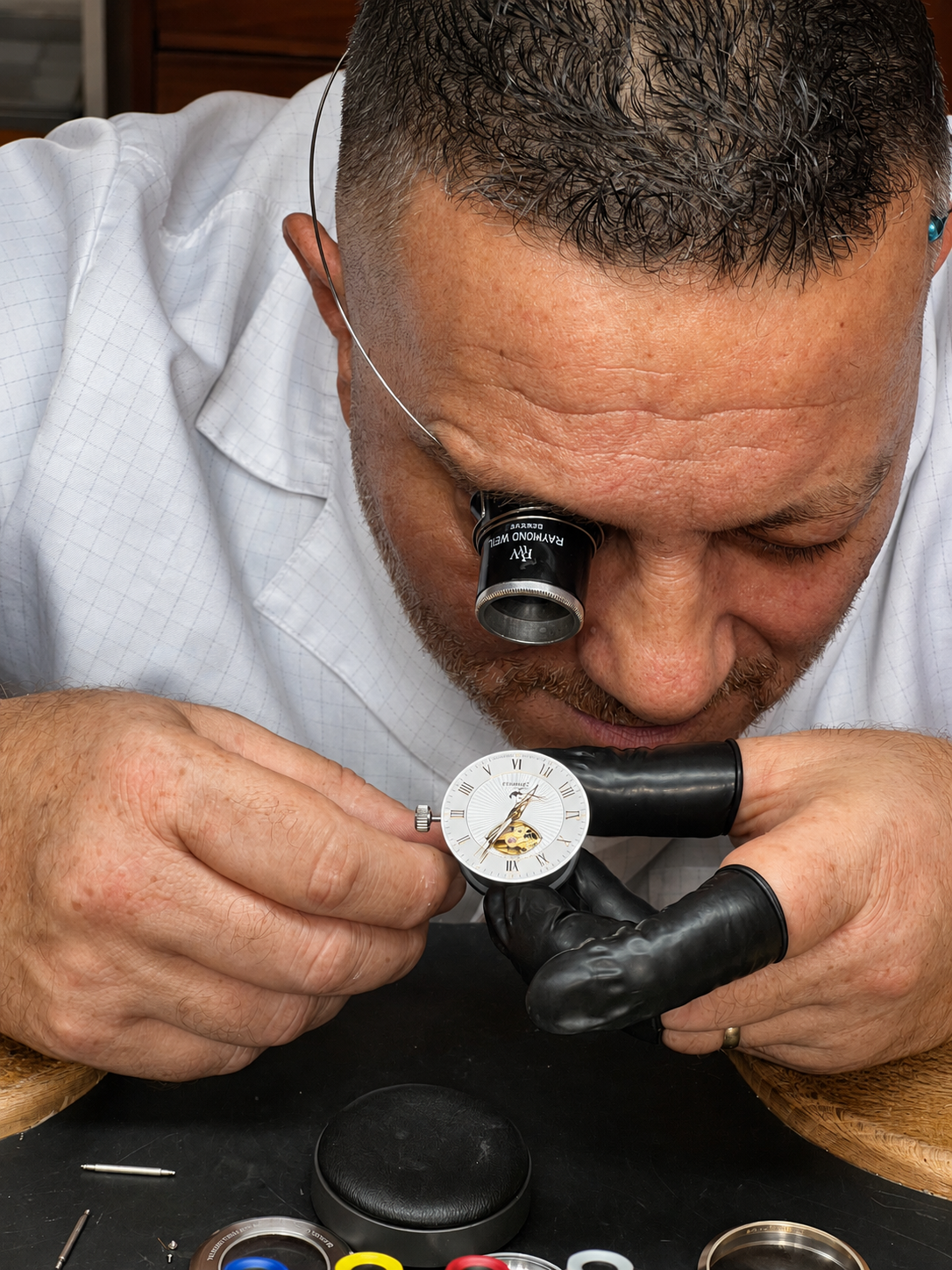
If you would also like to know what happens inside a case before it reaches your wrist, we tell you how a watch is assembled by hand in Barcelona, including its water-resistance test.
The Almirante, between deck and harbour
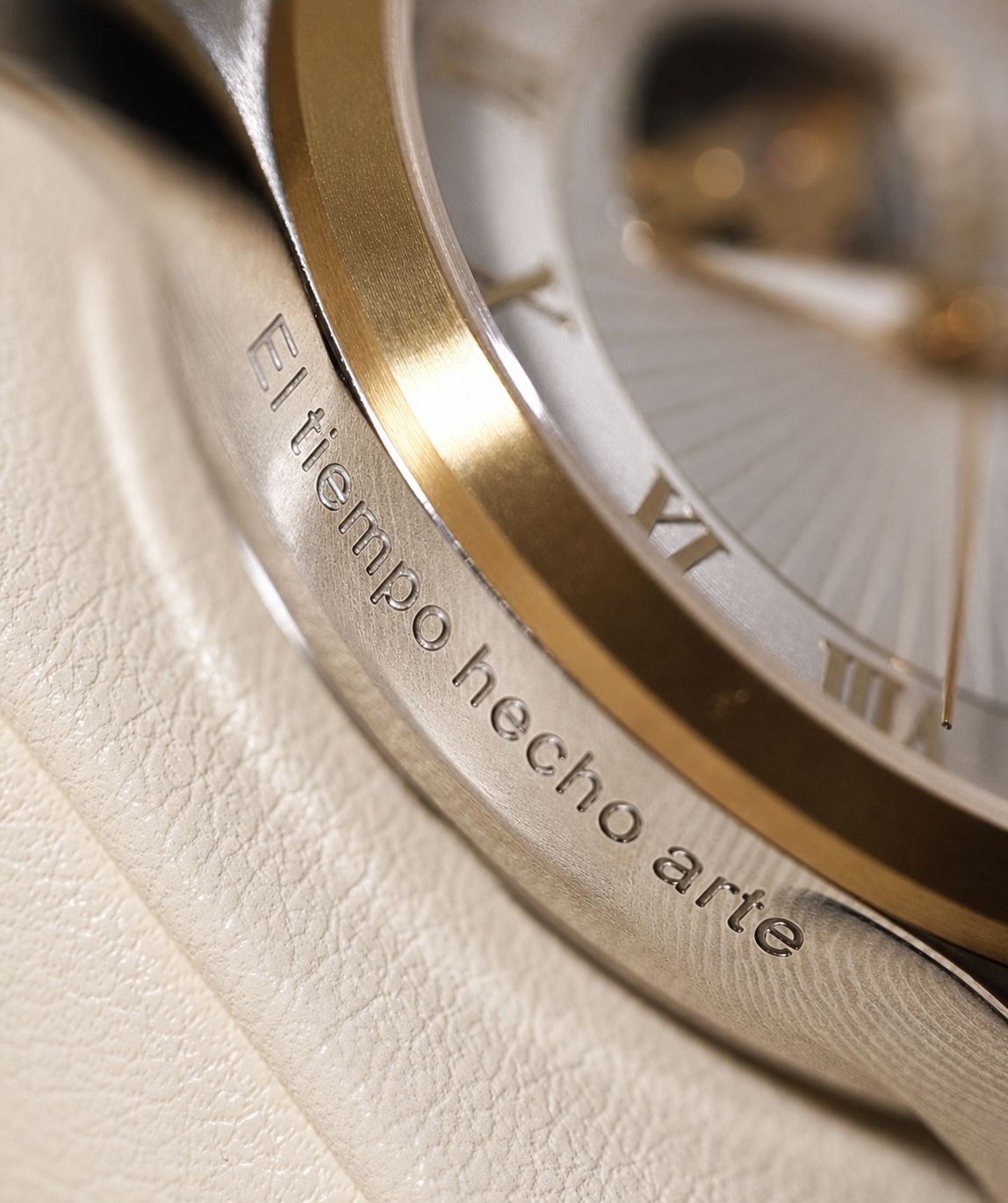
The Ferreras Almirante was born in Barcelona with the Mediterranean as its horizon. Its 40 mm 316L steel case and its integrated bracelet in the same steel are designed for life outdoors. The crystal and caseback are sapphire, and its water resistance is 10 ATM.
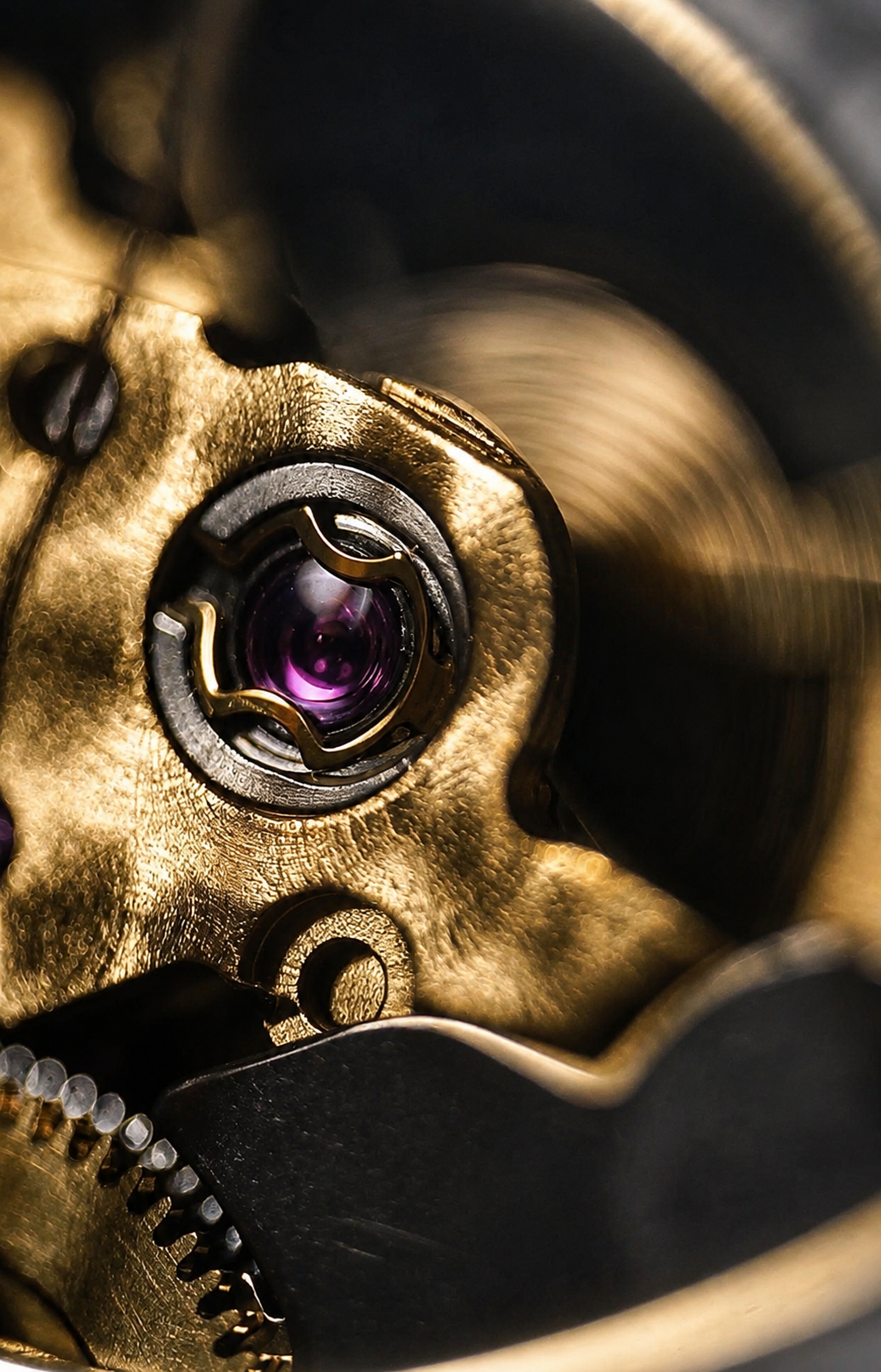
Inside beats a Swiss Sellita SW200 automatic calibre in a semi-skeleton version with a gold-toned finish, with 26 jewels and a power reserve of approximately 38 hours, adjusted by hand, one by one, by a master watchmaker. The bezel, plated in 18 kt gold with nanoceramic protection, bears engraved on its inside the number of each of the 100 pieces in the edition. The crown is signed with the shark, the emblem of the house.
This year Ferreras exhibited at the Barcelona International Boat Show, as the youngest brand at the fair. There we confirmed something we already sensed: those who live by the sea look for pieces with a story and a number of their own.

If you wish to see it in person before deciding, we will arrange a private presentation: anywhere in Catalonia, including the harbours of the Costa Brava, or by video call if you are elsewhere.
Frequently asked questions
Can I swim in the sea with a 10 ATM watch?
Yes. A 10 ATM watch is ready for swimming and life on deck. It is not a diving watch, and it is best rinsed with fresh water afterwards.
Why is 316L steel suitable for a nautical watch?
Because it contains molybdenum, which improves its resistance in chloride-rich environments, such as sea air and sea water.
What is the water resistance of the Ferreras Almirante?
10 ATM, with a sapphire crystal and caseback and a 40 mm 316L steel case.