Watchmaking authority
Open heart watch: what a semi-skeleton is and why it moves us
, 7 min read
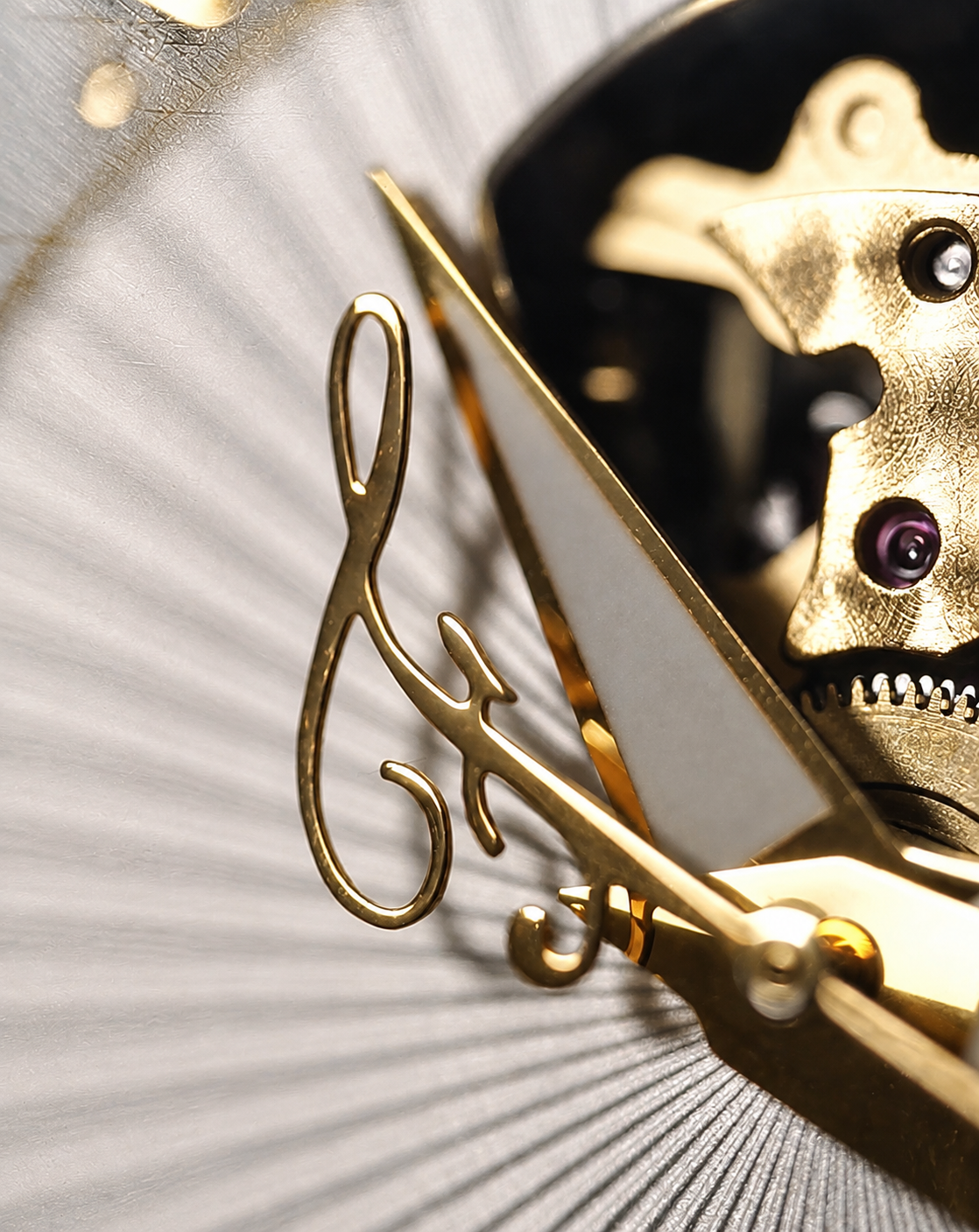
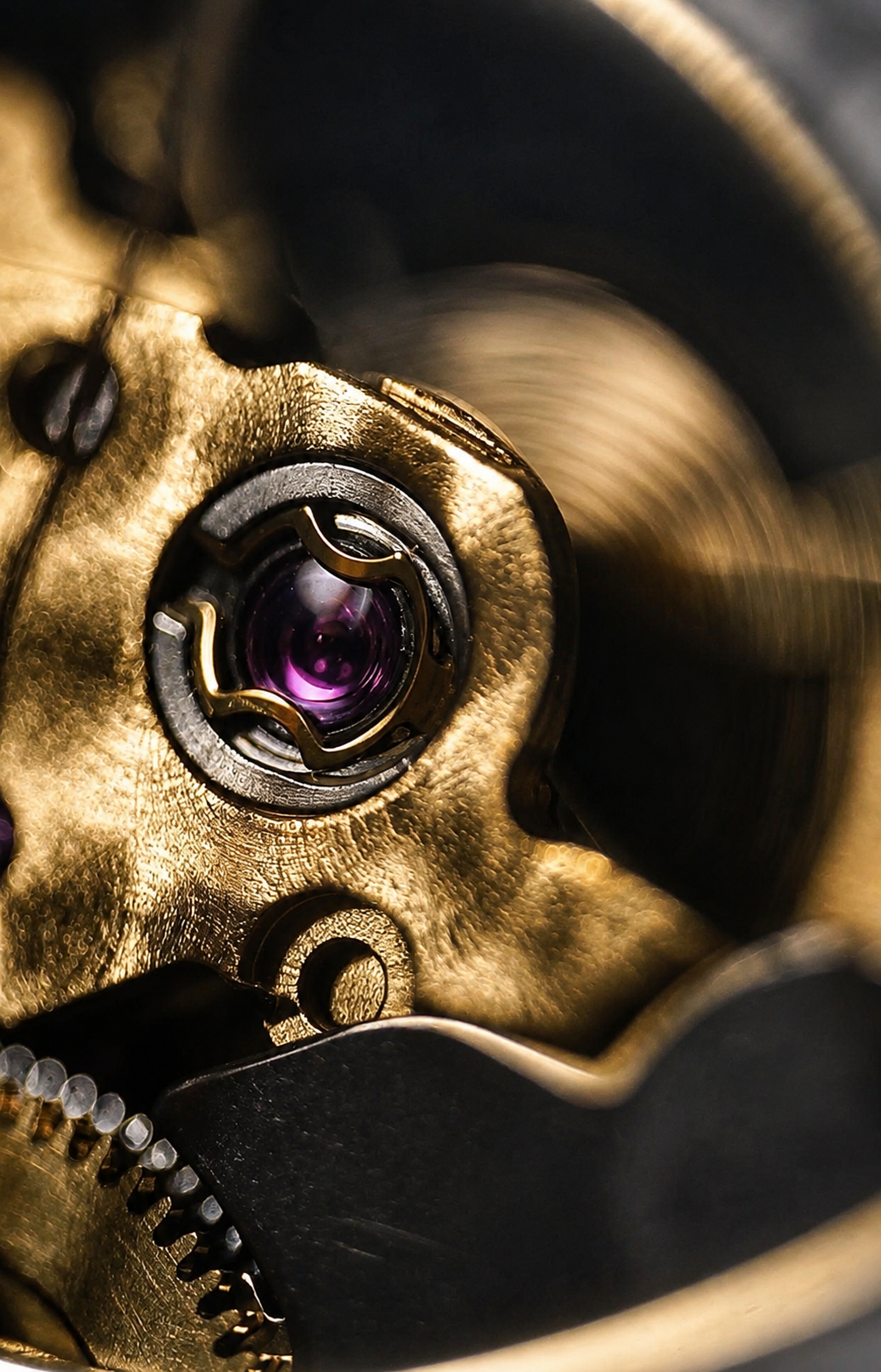
Some watches are read; others are also looked at. An open heart watch belongs to the second kind: a small aperture in the dial reveals the balance wheel, the part that oscillates without rest and sets the rhythm of the entire mechanism. It adds no function. It adds something harder to measure: the certainty that there is a living watch inside.
In this article we explain exactly what an open heart is, how it differs from a skeleton or a semi-skeleton watch, and what to look for before choosing one.
What is an open heart watch
"Open heart" (corazón abierto, in Spanish) is the name given to an opening in the dial placed over the balance wheel and often over part of the escapement. Through it, the regulating organ of the watch can be seen in motion.
The balance wheel is, in a sense, the heart of the calibre. It swings one way and then the other, driven by the hairspring, and each of those oscillations divides time into equal fractions. Many of today's automatic calibres run at 4 Hz, that is, 28,800 vibrations per hour: eight beats per second that the eye perceives as a continuous pulse.
Seeing that pulse changes your relationship with the watch. The time stops being a mere reading and becomes the visible result of a mechanism.
Open heart, skeleton and semi-skeleton: three ways to show the calibre
The three terms are often confused. It is worth separating them.
Open heart
This is the most restrained intervention. The dial remains almost intact and only a window over the balance wheel is opened. Legibility and the character of the dial are preserved, with a touch of mechanics on view.
Skeleton
In a skeleton watch, metal is removed from the mainplate, the bridges and other parts of the movement until only the minimal structure that still works remains. The eye passes right through the watch. The technique has a history: the French watchmaker André-Charles Caron is credited with creating the skeleton watch in the 1760s, and for a long time it remained an exercise reserved for a few workshops because of the hours of work it demands (more on its history).
Semi-skeleton
Between the two lies the semi-skeleton: a calibre lightened in certain areas, revealing part of its wheels and bridges without hollowing it out completely. It is often combined with a dial opened at one specific point and a transparent caseback, so the calibre can be admired from the front and from the back.
None of the three options ranks above the others. They answer to different sensibilities: the open heart gives priority to the dial; the skeleton, to the mechanism; the semi-skeleton seeks a balance between the two.
Why an open heart moves us
An automatic watch works just the same with a closed dial. The difference is not technical; it is one of perception. There are three reasons why this detail appeals to those who appreciate watchmaking.
It makes the craft visible. A well-regulated calibre is work that usually goes unseen. The open heart shows it in the part of the watch you look at a hundred times a day.
It gives the dial rhythm. The back-and-forth of the balance wheel brings life to a still object. On a sober dial, that small point in motion draws the eye without breaking the whole.
It reminds you that it is mechanical. There is no battery. An automatic lives on the energy of the wrist's movement, and the balance wheel is the proof.
What to look for before choosing an open heart watch
An aperture in the dial demands more care than a closed dial, because everything on view must be up to standard. These are the points worth checking.
The size and position of the aperture
An aperture that is too large can reduce legibility; one that is too small barely reveals anything. Its proportion to the dial and its position relative to the indices and hands say a great deal about the care taken in the design.
The finish of what can be seen
Once the dial is opened, the calibre becomes part of the design. Look at the finish of the visible parts, the cleanness of the aperture's edges and the harmony of colour between the mechanism and the dial.
The quality of the calibre
Showing the balance wheel makes sense only if what lies behind deserves to be shown. A calibre of recognised origin, with accessible after-sales service, is the foundation for everything else. If you would like to learn how to assess a movement, we explain it in our guide on how to choose an automatic watch.
The regulation
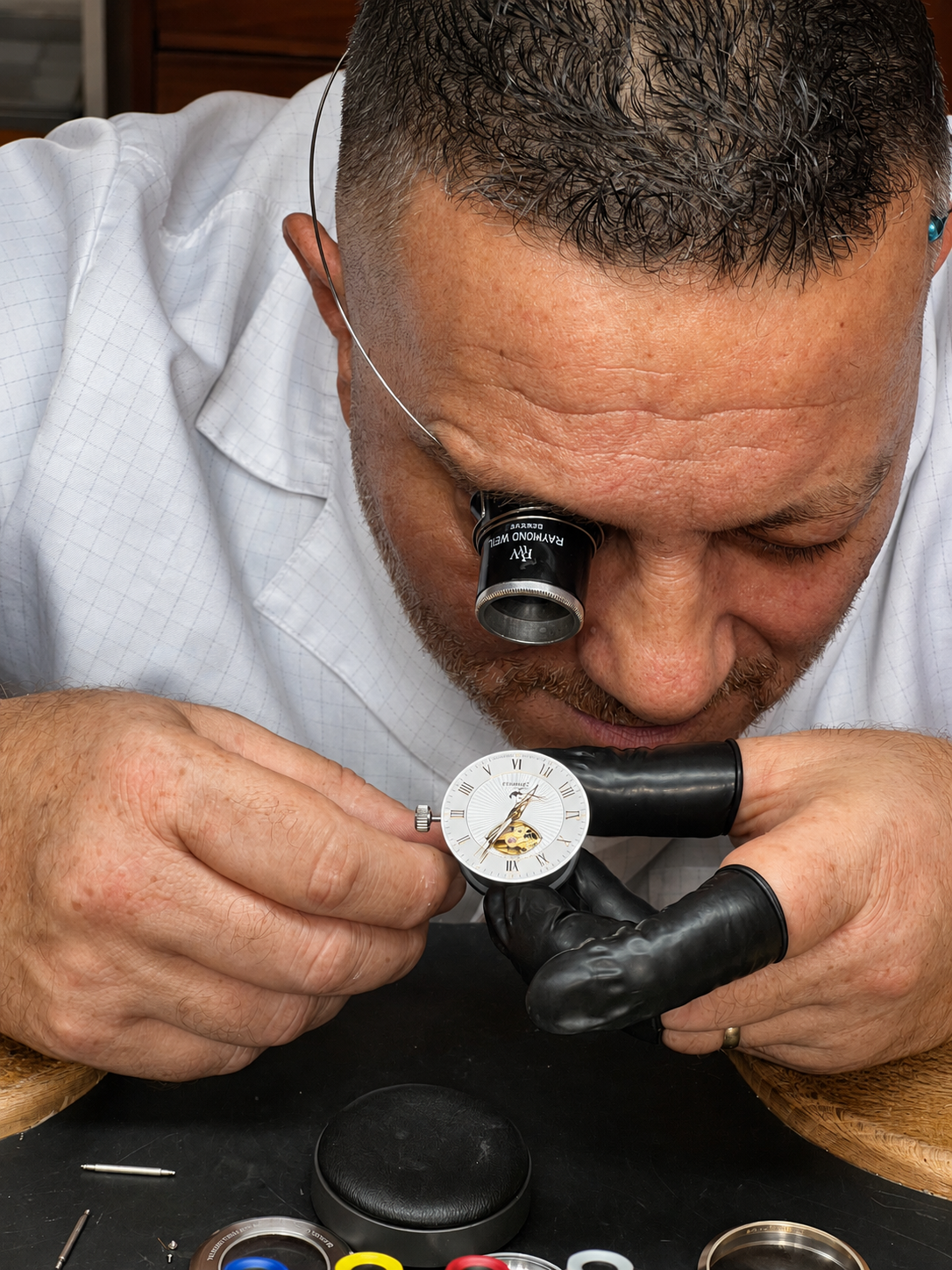
A calibre regulated by hand, one by one, gains in precision. The open heart does not prove it on its own, but it invites the question. In A watch made by hand in Barcelona we describe how that work is done, step by step.
The caseback
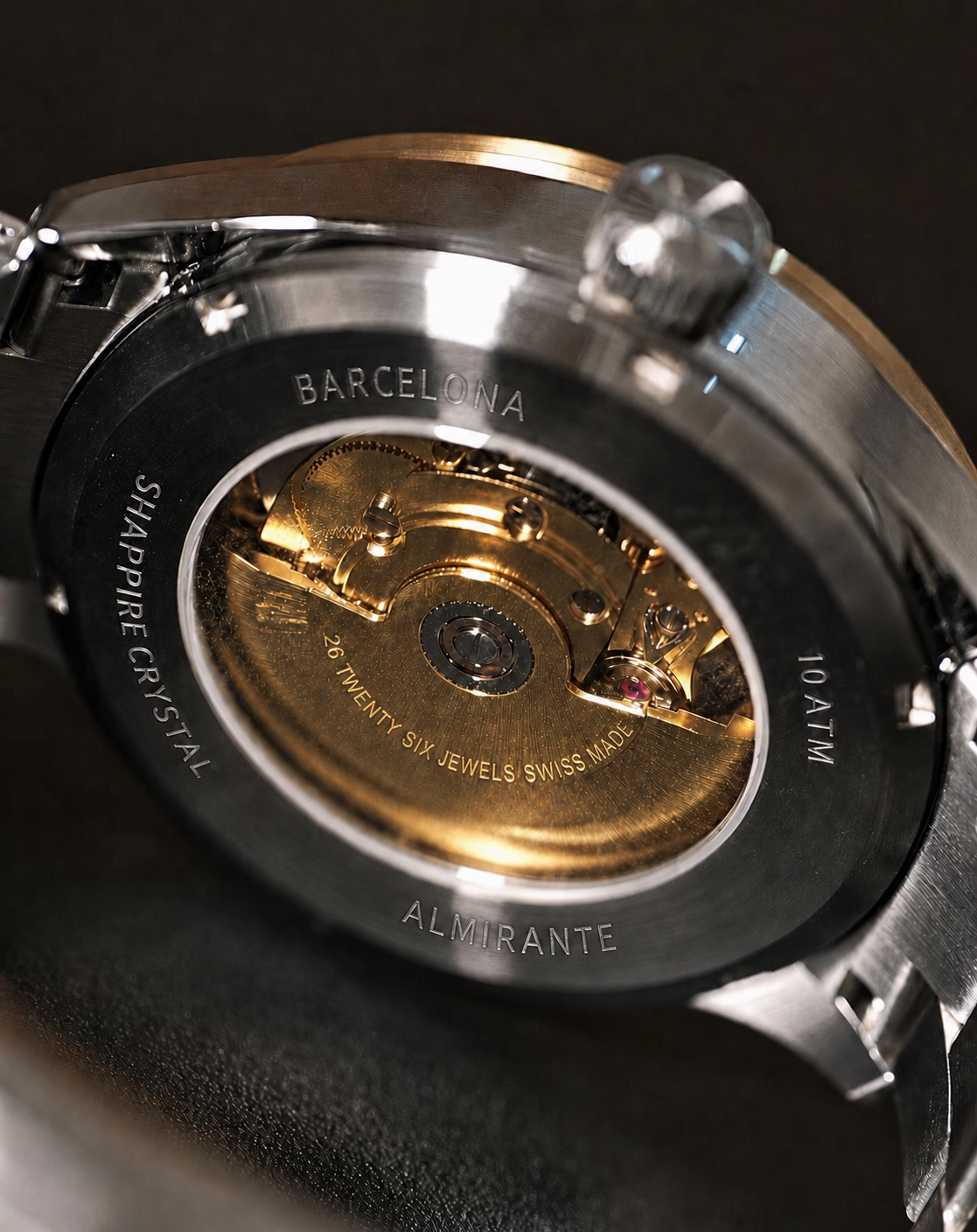
A sapphire caseback completes the experience: it lets you see the calibre from behind as well, with the oscillating weight turning with the movement of your arm.
The open heart of the Almirante
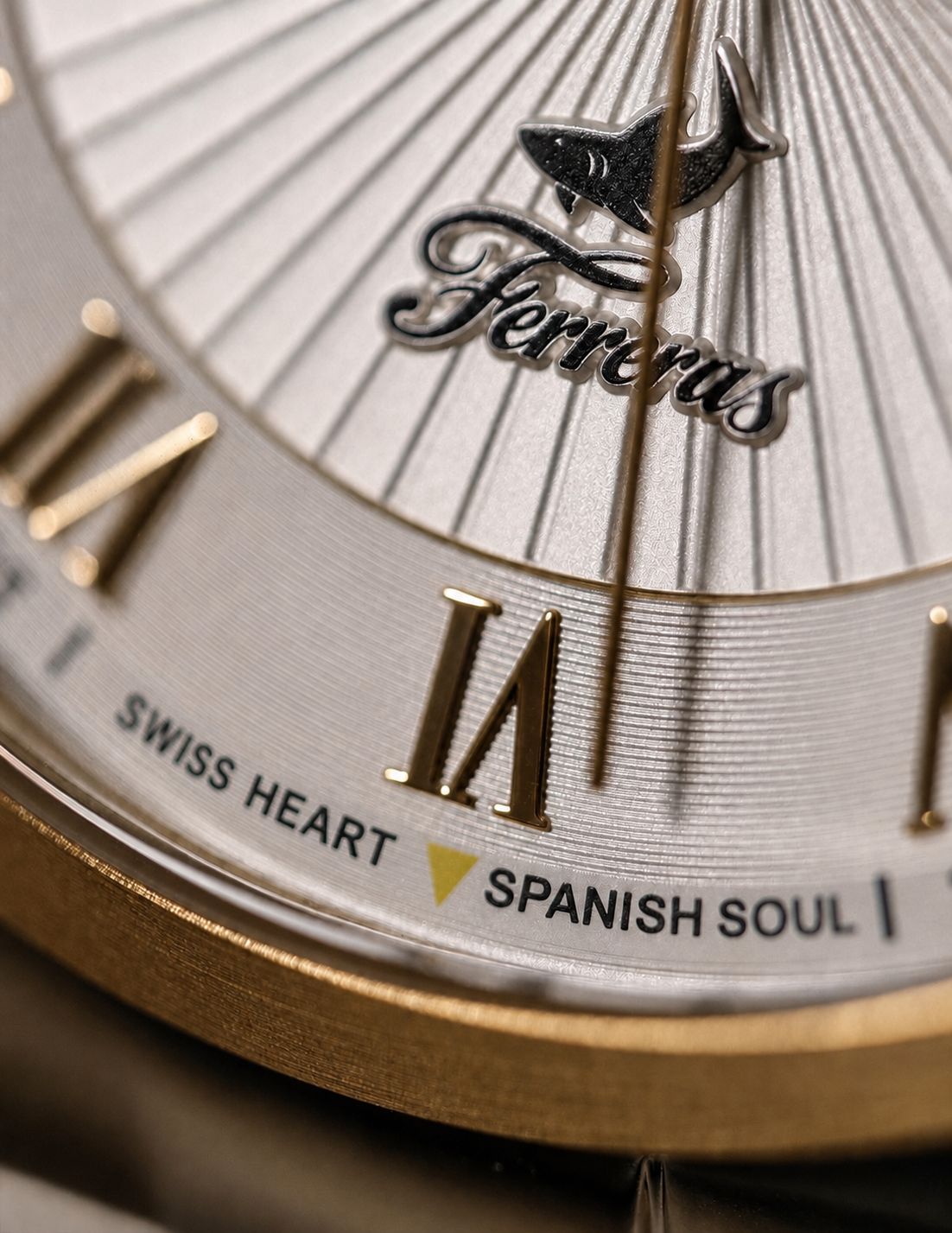
On the Ferreras Almirante, the open heart is a 12 mm aperture in a porcelain-effect micro-grainé dial. Through it you can see the Swiss automatic Sellita SW200 semi-skeleton calibre, with a gold-tone finish and 26 jewels, and a power reserve of approximately 38 hours. Each calibre is regulated by hand, one by one, by a master watchmaker in Barcelona.
The watch is completed at the back: the sapphire caseback reveals the calibre in motion. The case is 40 mm 316L steel, with sapphire crystal and 10 ATM water resistance, and the bezel, plated in 18 kt gold with nano-ceramic protection, bears each piece's number engraved on its inside. The Ferreras F on the minute track and the crown signed with the shark complete the whole.
It is a limited edition of 100 numbered pieces, designed and assembled in Barcelona. Swiss Heart, Spanish Soul: the Swiss heart can be seen; the Mediterranean soul can be recognised in every detail. You can learn more about the story of the brand and its way of understanding time.
See it beat in person
An open heart is best understood from a few centimetres away. If you would like to see the Almirante on your wrist, we will arrange a private presentation, in person in Catalonia or by video call if you are abroad.
Frequently asked questions
What is an open heart watch?
It is a watch with an opening in the dial that reveals the calibre's balance wheel in motion, the part that regulates the running of the watch.
What is the difference between an open heart and a skeleton watch?
An open heart only opens a window over the balance wheel; a skeleton removes metal from the entire movement so it can be seen right through. The semi-skeleton sits between the two.
Is an open heart watch always mechanical?
Yes, because what it shows is the balance wheel, which only exists in mechanical watches, whether hand-wound or automatic. The Almirante is automatic: it winds itself with the movement of the wrist.
Does the aperture affect the watch's precision?
Not in itself. The aperture sits beneath the crystal, and precision depends on the calibre and its regulation. What matters is that the whole is well designed and assembled.